Venetia Stanley: Life, Background, and Historical Significance
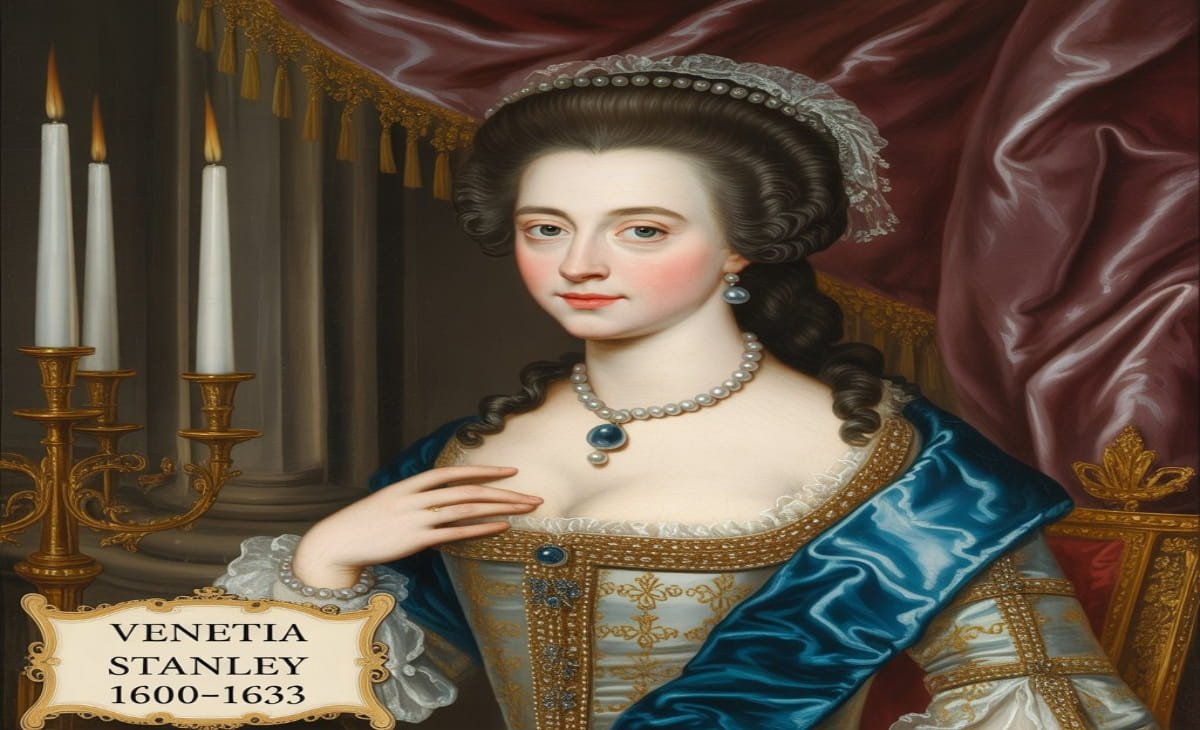
Venetia Stanley was a British aristocrat best known for her close association with Prime Minister H. H. Asquith in the early 20th century. Historians remember her because of the large collection of personal letters Asquith wrote to her during his time in office. These letters provide rare insight into British politics during the First World War. Venetia Stanley did not hold public office. She did not seek fame. Her historical importance comes from her role as a trusted confidante during a critical period in British history.
Early Life and Family Background
Venetia Anastasia Digby Stanley was born on July 26, 1887, in England. She came from an established aristocratic family with strong social and political connections. Her father, Edward Stanley, served as a Member of Parliament. Her family environment exposed her to politics, public service, and intellectual discussion from an early age. This background shaped her confidence and comfort around powerful figures. She grew up in a setting that valued education, conversation, and social responsibility.
Education and Early Development
Venetia Stanley received a private education, which was common for women of her social class at the time. She studied literature, history, and modern languages. Her education focused on critical thinking and cultural awareness rather than professional training. This approach prepared her for social and intellectual engagement rather than a formal career. She developed strong writing and conversational skills, which later defined her historical legacy.
Entry Into Public and Social Life
As a young woman, Venetia Stanley entered London’s political and social circles. Her family connections helped her meet senior politicians, civil servants, and intellectuals. She met H. H. Asquith while he served as Prime Minister of the United Kingdom. Over time, she became one of his closest personal correspondents. Their communication remained private during their lifetimes. Later publication of the letters brought her name into public awareness.
Relationship With H. H. Asquith
Venetia Stanley became widely known because of her correspondence with Asquith between 1910 and 1915. He wrote to her frequently, sometimes several times a day. These letters discussed government decisions, wartime concerns, and personal reflections. They offer historians a direct look into the mindset of a prime minister during World War I. Scholars study the letters for their political value, not for personal speculation. The correspondence helps explain how leaders processed pressure and responsibility during crisis periods.
Why Venetia Stanley Is Still Searched Today
People continue to search for Venetia Stanley for several reasons:
- Historians study her letters for political insight
- Students research her role in British history
- Readers encounter her name in biographies of Asquith
- Archives reference her in wartime political records
Her name appears in discussions about leadership, decision-making, and historical documentation. She represents how private individuals can shape public understanding of history without holding power themselves. She represents how private individuals can shape public understanding of history, similar to other historically documented individuals whose records continue to inform researchers.
Career and Professional Life
Venetia Stanley did not pursue a conventional career. She did not publish political work during her lifetime. She did not seek public recognition. Her contribution came through correspondence, observation, and intellectual exchange. Many historians now consider her an important historical source rather than a political actor. After her early public exposure, she stepped away from political circles. Her life shows how private individuals can influence historical understanding, much like other private figures with historical significance.
Marriage and Personal Life
In 1915, Venetia Stanley married Edwin Samuel Montagu, who later served as Secretary of State for India. After marriage, she became known as Venetia Montagu. She shifted her focus to family life and personal responsibilities, also she lived largely outside public attention after marriage. She respected privacy and avoided public commentary about her earlier associations.
Professional Standing and Financial Status
There is no verified public information about Venetia Stanley’s personal wealth or net worth. Historical records do not provide financial details. She came from a well-established family, which ensured financial stability. Researchers avoid speculation due to limited documented evidence. Responsible historical writing focuses on her documented role rather than unverified claims.
Lesser-Known Facts About Venetia Stanley
- She preserved many personal letters, which later became valuable historical records
- Historians rely on her correspondence to study wartime leadership
- She avoided public interviews and memoirs
- She lived most of her later life away from politics
These facts highlight her preference for privacy and discretion.
Historical Importance and Legacy
Venetia Stanley’s legacy rests on documentation, not public action. Her preserved correspondence helps historians understand British leadership during World War I. She represents the importance of personal records in historical research. Her life shows how private individuals can influence historical understanding without seeking recognition. Archives and academic studies continue to reference her role.
Frequently Asked Questions
Who was Venetia Stanley?
Venetia Stanley was a British aristocrat known for her close correspondence with Prime Minister H. H. Asquith during World War I.
Why is Venetia Stanley historically important?
She is important because Asquith’s letters to her provide insight into British political decision-making during wartime.
Did Venetia Stanley hold a political position?
No. She did not hold public office or an official political role.
Was Venetia Stanley married?
Yes. She married Edwin Samuel Montagu in 1915.
Are Venetia Stanley’s letters available today?
Yes. Historians and archives preserve and study many of the letters as historical documents.
Is there information about her net worth?
No reliable public records detail her personal finances.
Final Thoughts
Venetia Stanley remains a figure of historical interest because of her connection to primary political records. She did not seek influence or recognition. History remembers her because documentation survived. Her story highlights how private lives can shape public understanding of the past in quiet but lasting ways.