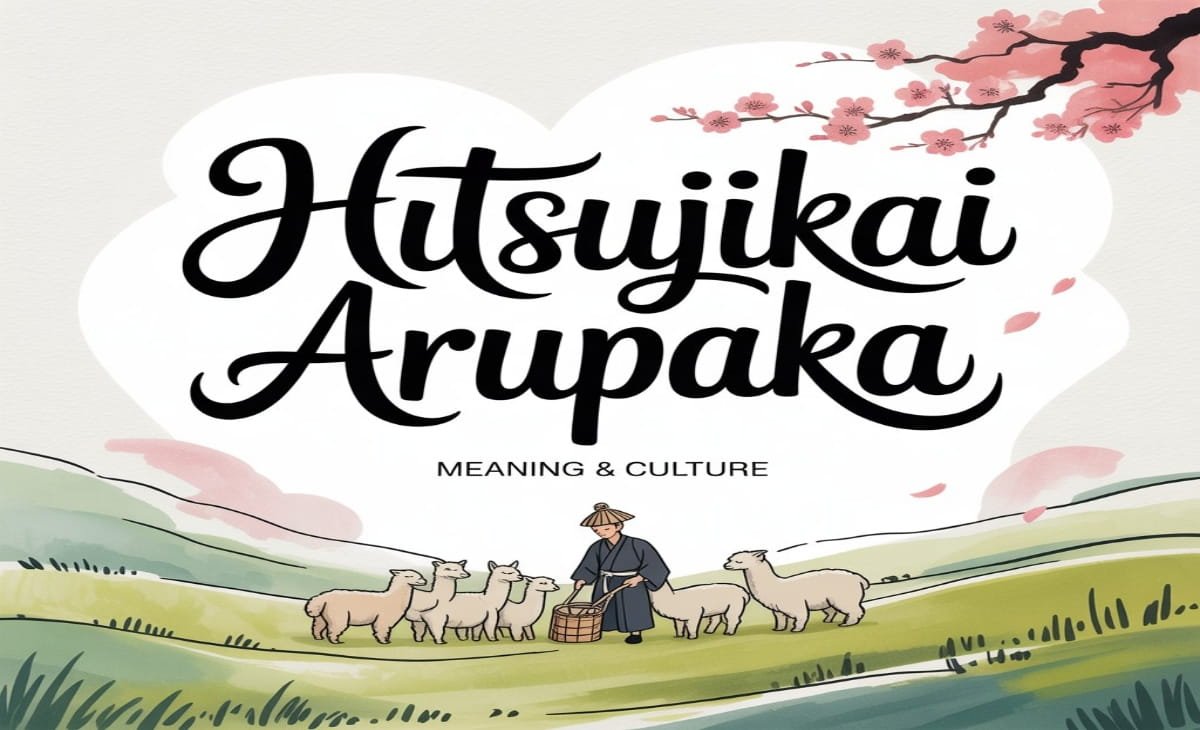
Understanding Hitsujikai Arupaka: Meaning & Culture
Hitsujikai Arupaka literally translates to “Shepherd Alpaca” in Japanese, combining hitsujikai (shepherd) with arupaka (alpaca). While it is not a historical figure or mainstream character, the term has gained recognition in creative storytelling and online art communities. It symbolizes care, guidance, and gentle presence, blending human-like nurturing traits with the calm, serene qualities of alpacas.
This article explores the meaning, cultural roots, symbolic significance, and creative use of Hitsujikai Arupaka in modern imaginative contexts.
The Linguistic Meaning of Hitsujikai Arupaka
The name has two main components. Hitsujikai (羊飼い) means shepherd in Japanese, representing a figure who guides and protects. Arupaka (アルパカ) is the Japanese transliteration of alpaca, the domesticated South American camelid known for its gentle nature and soft wool. Together, Hitsujikai Arupaka conveys the symbolic idea of a nurturing guardian, combining guidance and calmness. In creative spaces, the term evokes a character who embodies traits of patience, empathy, and gentleness.
Explore More Information About Other Celebrities From SpecieRing
Historical and Cultural Roots
Shepherds have existed across human societies for thousands of years. Their role was not limited to herding livestock; shepherds were caretakers, observers, and protectors. Symbolically, they represented patience, guidance, and responsibility.
Communities relied on them for wool, meat, and trade. Alpacas are gentle, calm, and highly social animals. Their soft appearance and non-aggressive demeanor have made them appealing symbols of comfort and warmth. Combining the shepherd archetype with the alpaca’s characteristics produces a concept centered around gentle guidance and protective care.
The Appeal of the Shepherd-Alpaca Concept
The combination of shepherd and alpaca highlights two complementary themes: guidance and calm presence. A shepherd provides direction and protection, while an alpaca symbolizes softness, empathy, and tranquility. This fusion creates a character archetype that embodies strength through gentleness, making it ideal for storytelling, art, and symbolic representation. This approach aligns with public context and search clarity, where information is presented carefully and without speculation.
Hitsujikai Arupaka in Modern Creative Culture
Although Hitsujikai Arupaka does not appear in mainstream media, it is widely used in online creative spaces. Artists and writers often depict the concept through anthropomorphic characters, who may have:
- Soft pastel tones and wool-like textures
- Gentle, calm facial expressions
- Roles emphasizing support, guidance, or community care
The term also inspires narrative roles where the character nurtures others emotionally, acts as a mentor, or symbolically represents warmth and protection. Its use in fan fiction and online storytelling communities demonstrates the lasting appeal of combining symbolic archetypes with imaginative interpretation.
Real-World Alpaca Herding Traditions
Alpaca herding continues to be an important livelihood in parts of the Andes, such as Peru and Bolivia. Shepherds maintain animal health, ensure sustainable grazing, and preserve traditional knowledge passed down for generations. These real-world practices illustrate the qualities associated with Hitsujikai Arupaka — care, responsibility, and guidance — providing a foundation for creative interpretation in stories and character design. Readers benefit most from fact-based informational biographies that rely on verified sources rather than assumptions.
Artistic and Visual Interpretations
Artists often depict Hitsujikai Arupaka with visual elements that emphasize their nurturing and gentle qualities. Character designs may include woolly textures resembling an alpaca’s coat, pastel color palettes, and calm, friendly expressions.
The anthropomorphic nature of the concept allows for endless creative possibilities. Some creators place Hitsujikai Arupaka in imaginative settings such as pastoral landscapes, magical forests, or community-centric narratives where the character acts as a supportive figure. The aesthetic appeal of alpacas combined with the symbolic role of a shepherd makes this concept particularly compelling for storytellers and artists seeking a calming, empathetic character archetype.
Emotional and Psychological Resonance
Hitsujikai Arupaka resonates with audiences because it embodies emotional support and gentle companionship. Characters inspired by this concept often serve as:
- A source of comfort in narrative or role-playing scenarios
- A symbol of non-aggressive strength and care
- An archetype promoting empathy, patience, and guidance
Unlike traditional hero archetypes, Hitsujikai Arupaka demonstrates that calmness and support can be powerful forms of influence. Its appeal lies in its ability to provide reassurance, stability, and a sense of safe presence to readers or audiences.
Lesser-Known Facts About Alpacas
- Alpacas communicate primarily through soft humming sounds.
- Their fiber comes in over 20 natural colors, offering a wide palette for creative representation.
- Alpacas are more social and quieter than llamas, making them ideal for therapeutic or symbolic roles.
These characteristics explain why the alpaca was chosen as part of the Hitsujikai Arupaka concept. The animal’s gentle, serene nature perfectly complements the guiding and caring qualities represented by the shepherd.
Frequently Asked Questions About Hitsujikai Arupaka
Is Hitsujikai Arupaka a real person?
No, it is a creative concept combining symbolic archetypes with animal traits, not an actual individual.
What does Hitsujikai Arupaka mean?
Literally, “Shepherd Alpaca” in Japanese, highlighting guidance, care, and gentle presence.
Where is the term used?
Primarily in fan fiction, art communities, and creative storytelling spaces online.
Why is the alpaca chosen for this concept?
Alpacas symbolize gentleness, warmth, and calm, making them ideal for empathetic and nurturing character designs.
Are there historical roots for this concept?
The shepherd archetype and the cultural significance of alpacas in South America provide symbolic and thematic depth, though Hitsujikai Arupaka as a concept is modern.
Conclusion
Hitsujikai Arupaka illustrates the power of blending symbolic archetypes with imaginative storytelling. By combining the shepherd’s guidance and the alpaca’s calm demeanor, the concept represents nurturing strength, gentle influence, and empathetic care.
It continues to inspire artists, writers, and creative communities because it demonstrates that impactful characters do not always rely on dramatic conflict or physical power. Instead, calmness, guidance, and warmth — symbolized perfectly by Hitsujikai Arupaka — can resonate deeply, offering a timeless source of inspiration for storytelling and character design.
Disclaimer
This article is written for informational and educational purposes only. Hitsujikai Arupaka is a creative and symbolic concept, not a real person, historical figure, or officially recognized cultural entity. Any interpretations discussed here are based on linguistic meaning, cultural symbolism, and modern creative usage found in art and storytelling communities.
This content does not intend to present factual claims about real individuals, religions, or historical events. Cultural references are explained respectfully and without speculation. Readers should view this article as an exploration of creative symbolism rather than documented history.